


Vastu Shastra Friendly Interior Design Ideas for Modern Homes
Designing a modern home today goes far beyond aesthetics. Homeowners are increasingly looking for spaces that not only look beautiful but also feel balanced, positive, and comfortable. This is where the principles of Vastu Shastra come into play. Rooted in ancient Indian wisdom, Vastu Shastra focuses on creating harmony between built spaces and natural forces.
Incorporating these principles into modern interiors doesn’t mean compromising on style or creativity. In fact, when done right, it enhances both the visual appeal and the overall energy of your home. Whether you’re designing a new space or upgrading an existing one, integrating Vastu Shastra home design ideas and plans can lead to better well-being, improved functionality, and a more peaceful environment.
Understanding the Role of Energy in Interior Spaces
Every space carries energy, influenced by light, airflow, layout, materials, and orientation. Vastu Shastra is based on aligning these elements: earth, water, fire, air, and space to create a balanced living environment.
Modern homes, especially in urban areas, often face challenges like limited space, irregular layouts, and high-rise living. Despite these constraints, interior design choices can significantly influence how energy flows within the home.
Simple decisions such as furniture placement, color selection, and lighting design can help create a sense of harmony without making drastic structural changes.
Top Vastu Shastra Home Design Ideas
Entrance Design That Sets the Tone
The entrance of a home is considered the gateway for energy. A well-designed entry not only creates a strong first impression but also influences the overall vibe of the house.
Keep the entrance clean, clutter-free, and well-lit. Natural light is ideal, but if that’s not possible, warm lighting can create a welcoming feel. Adding elements like plants, nameplates, or subtle décor can enhance positivity.
Avoid placing obstacles near the entrance, as they can disrupt the flow of energy. A balanced and visually appealing entry sets the foundation for a harmonious home.
Living Room Layout for Balance and Comfort
The living room is where family members gather, and guests are welcomed, making it one of the most important spaces in the home.
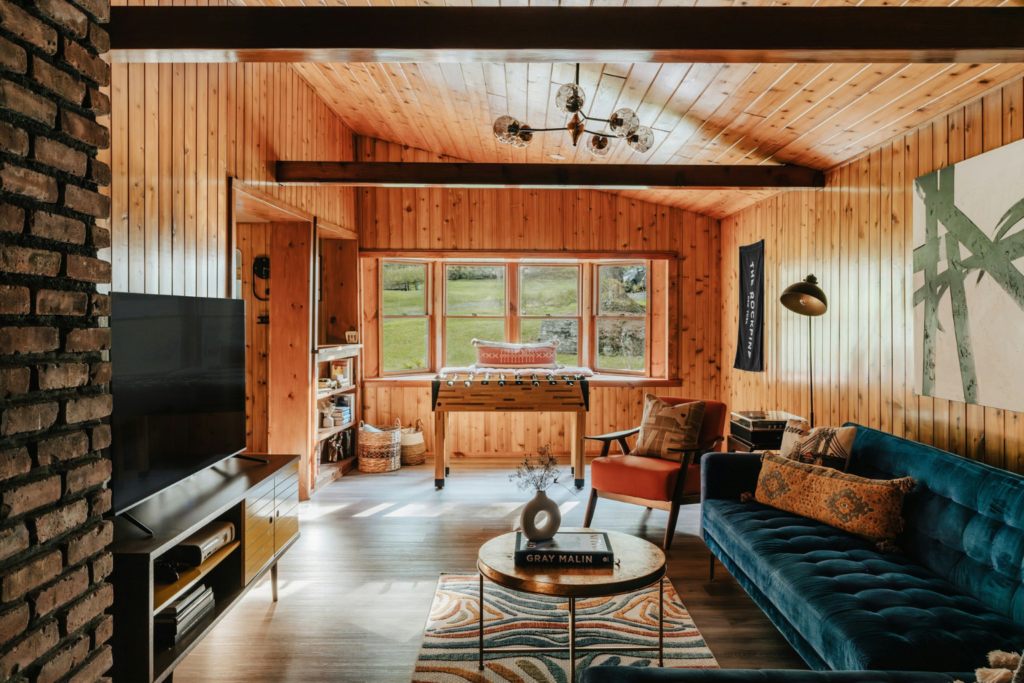
Furniture should be arranged in a way that promotes conversation and openness. Avoid overcrowding the space, as it can create a sense of heaviness. Sofas and seating arrangements should ideally be placed against solid walls for stability.
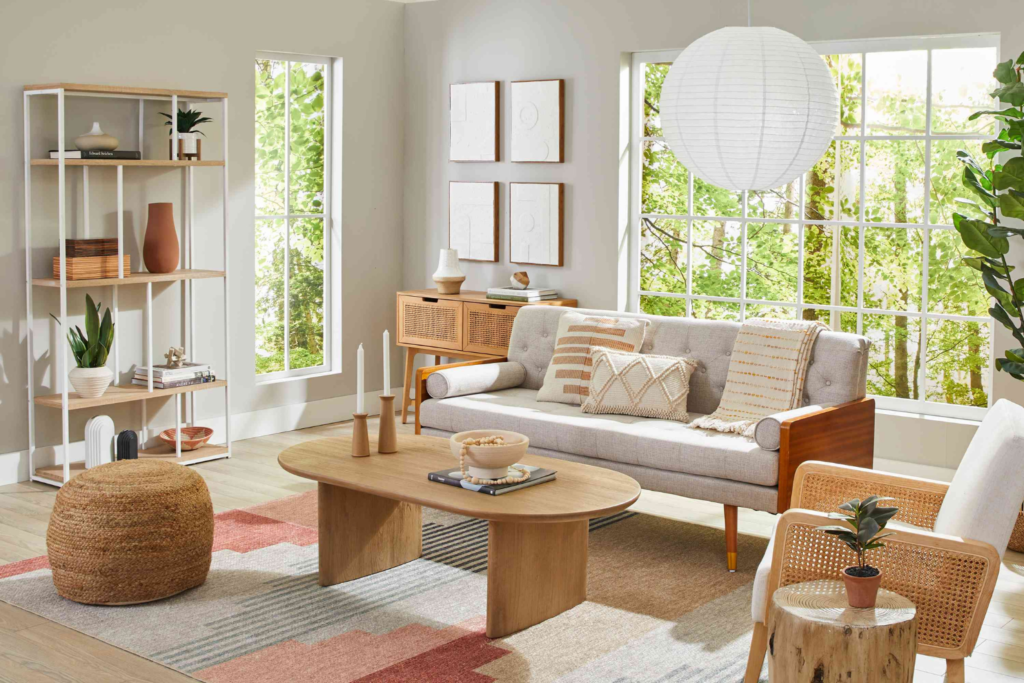
Using light, neutral colors combined with natural textures like wood or fabric can create a calming atmosphere. Incorporating indoor plants or natural elements can further enhance the sense of balance.
Bedroom Design for Rest and Relaxation
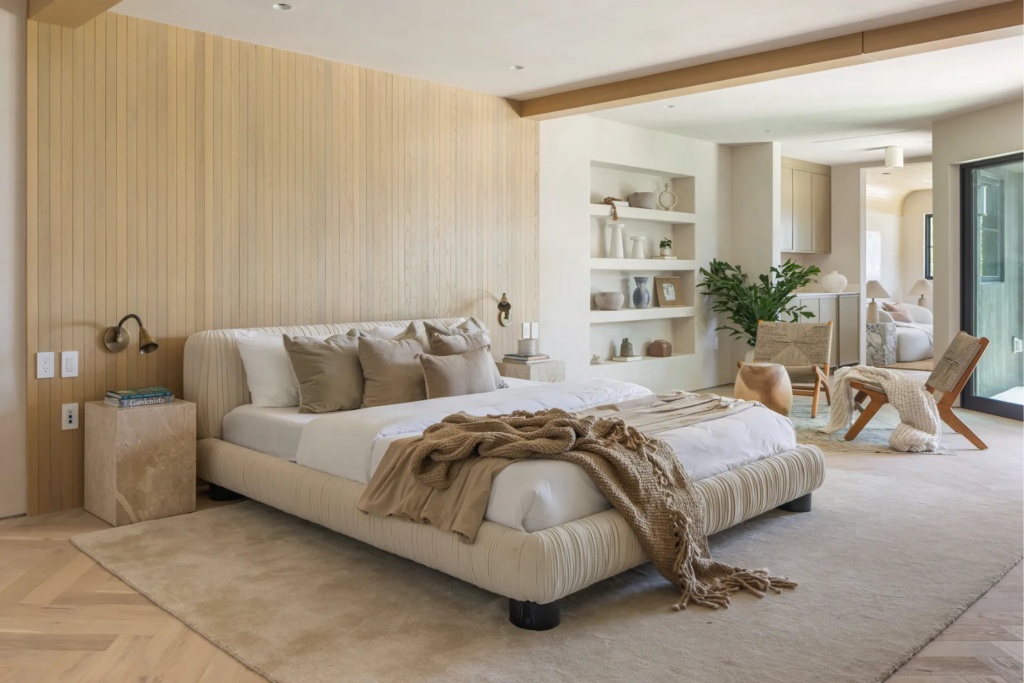
Bedrooms are personal spaces meant for rest, relaxation, and rejuvenation. The design should promote calmness and comfort.
The placement of the bed plays a key role. It should be positioned in a way that provides a sense of security and stability. Avoid placing mirrors directly facing the bed, as they can disrupt sleep patterns.
Soft lighting, soothing colors, and minimal clutter are essential. Materials like cotton, wood, and soft fabrics can create a warm and inviting environment. The goal is to design a space that helps you unwind and recharge.
Kitchen Interiors That Support Well-Being
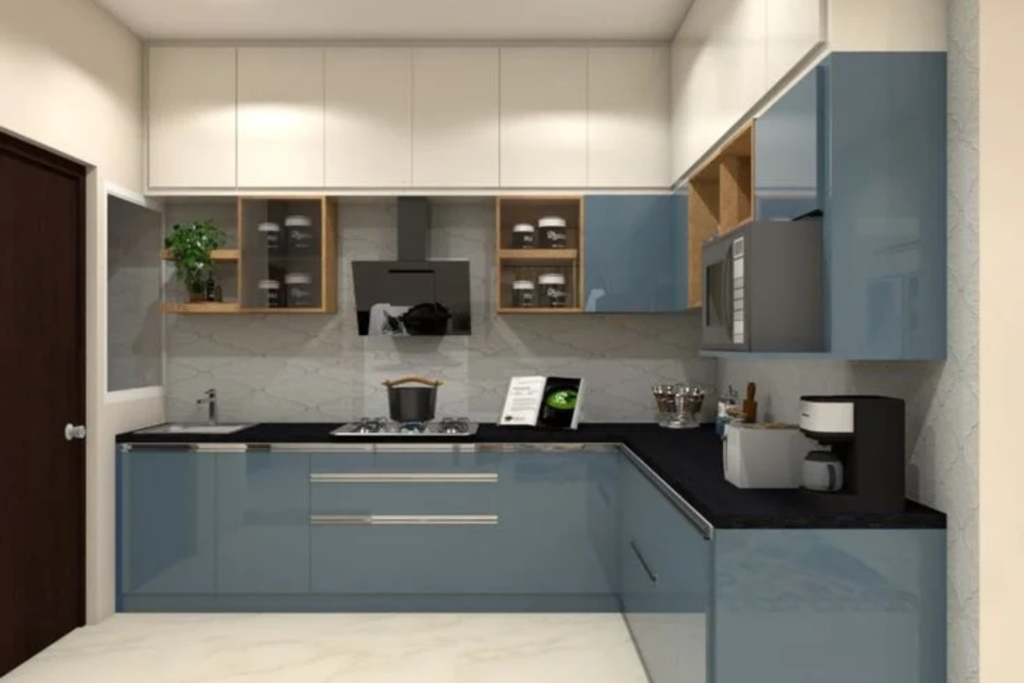
The kitchen is associated with nourishment and energy. Its design should support both functionality and balance.
Ensure proper ventilation and lighting, as these are essential for maintaining a healthy environment. Organizing the kitchen efficiently can reduce stress and improve usability.
Using warm tones and clean finishes can create a vibrant yet balanced space. Keeping the cooking area clean and clutter-free is equally important for maintaining positive energy.
Bathroom Design with Thoughtful Planning
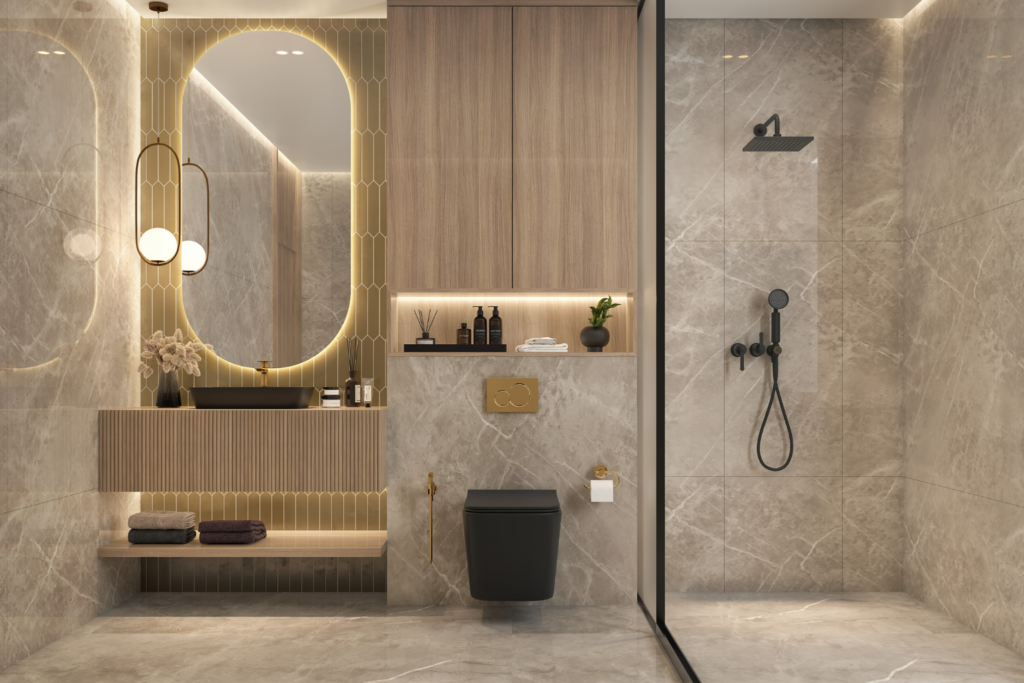
Bathrooms are often overlooked when it comes to design, but they play an important role in maintaining balance within the home.
Good ventilation is essential to prevent stagnation of energy. Use light colors and reflective surfaces to create a sense of openness. Keeping the space clean and well-maintained ensures a fresh and positive atmosphere.
Storage solutions can help reduce clutter and maintain organization, which is key to a balanced interior.
Lighting as a Key Element of Design
Lighting has a significant impact on both the functionality and mood of a space. Natural light is always preferred, as it enhances energy and creates a lively environment.
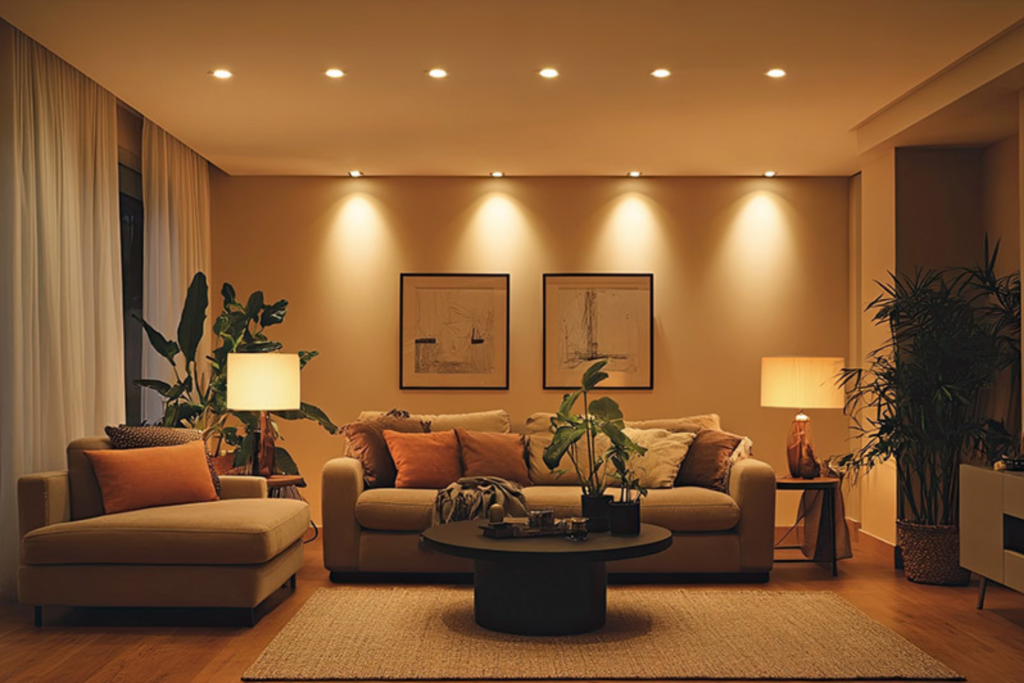
Where natural light is limited, layered lighting can be used. Combining ambient, task, and accent lighting allows you to create different moods within the same space.
Warm lighting works well for relaxation areas like bedrooms and living rooms, while brighter lighting is suitable for kitchens and workspaces.
Choosing Colors That Enhance Harmony
Colors play a powerful role in influencing emotions and energy. Soft, neutral tones create a calming effect, while brighter colors can add vibrancy and energy.
For modern homes, a balanced color palette works best. Combining whites, beiges, and pastels with subtle accents can create a sophisticated look while maintaining harmony.
Avoid overly dark or harsh colors in large areas, as they can create a heavy or overwhelming feel.
Decluttering for Better Energy Flow
Clutter is one of the biggest obstacles to maintaining a balanced home environment. It not only affects the visual appeal but also disrupts the flow of energy.
Adopting a minimalist approach can help create a clean and organized space. Smart storage solutions, multifunctional furniture, and regular decluttering can make a significant difference.
A well-organized home feels more spacious, calm, and inviting.
Incorporating Natural Elements
Bringing nature indoors is one of the most effective ways to enhance the energy of a space. Plants, natural materials, and organic textures can create a sense of connection with nature.
Indoor plants not only improve air quality but also add a refreshing touch to interiors. Materials like wood, stone, and natural fabrics can enhance warmth and authenticity.
Even small additions like water features or natural décor elements can make a noticeable difference.
Designing for Modern Lifestyles
Modern homes need to balance tradition with contemporary needs. Open layouts, multifunctional spaces, and smart design solutions are becoming increasingly popular.
Integrating Vastu Shastra home design ideas into such layouts requires thoughtful planning. For example, zoning different areas within an open space can help maintain balance without compromising on design.
The key is to adapt traditional principles in a way that complements modern architecture and lifestyle requirements.
Common Interior Design Mistakes to Avoid
While incorporating these principles, it’s important to avoid overcomplicating the design. Trying to follow every rule strictly can lead to unnecessary stress and compromise functionality.
Avoid excessive decoration, poor lighting, and cluttered layouts. Instead, focus on creating a balanced and comfortable environment that works for your lifestyle.
Flexibility is important. Not every home can follow traditional guidelines perfectly, especially in urban settings. The goal should be to achieve harmony rather than perfection.
The Importance of Professional Design Guidance
Designing a home that balances aesthetics, functionality, and traditional principles requires expertise. Professional designers understand how to adapt these concepts to suit modern spaces.
They can help optimize layouts, select appropriate materials, and create cohesive designs that align with both visual preferences and practical needs.
Working with experts ensures that your home is not only beautiful but also thoughtfully designed to enhance everyday living.
Final Thoughts
Creating a harmonious home is about more than just following rules; it’s about designing spaces that feel right. By integrating Vastu Shastra-friendly modern interior design ideas into modern homes, you can achieve a balance that supports both well-being and style.
At Studio Rivet, we believe in designing spaces that combine creativity, functionality, and thoughtful planning. Whether it’s residential architecture or interior design, our approach focuses on creating environments that enhance everyday living while maintaining a strong design identity.
A well-designed home is not just visually appealing, it’s a space where you feel comfortable, inspired, and truly at ease.
Frequently Asked Questions (FAQs)
What is the importance of Vastu Shastra in modern interior design?
Vastu Shastra helps create a balanced and harmonious living environment by aligning interiors with natural elements. When applied thoughtfully, it enhances comfort, positivity, and overall well-being without affecting modern design aesthetics.
Can Vastu principles be followed in apartments and small homes?
Yes, Vastu concepts can be adapted for apartments and compact spaces. Simple changes like furniture placement, lighting, color selection, and decluttering can improve energy flow even without structural modifications.
Which colors are best for a Vastu Shastra-friendly home?
Light and neutral colors such as white, beige, pastel shades, and soft earth tones are considered ideal. These colors create a calm, balanced, and visually pleasing environment in modern interiors.
How can I improve positive energy in my home?
You can enhance positive energy by maintaining cleanliness, allowing natural light, improving ventilation, adding indoor plants, and avoiding clutter. Small design adjustments can make a big difference.
Is it necessary to follow all Vastu Shastra rules strictly?
No, it is not necessary to follow every rule strictly. The goal is to create a balanced and comfortable space. Practical and flexible application of Vastu Shastra principles works best for modern homes.
Does furniture placement affect energy flow in a home?
Yes, furniture placement plays an important role. Proper arrangement ensures smooth movement, better space utilization, and a more open and balanced environment.
How does lighting impact interior design and energy?
Lighting influences both mood and functionality. Natural light is ideal, while layered artificial lighting helps create a warm and comfortable atmosphere, improving the overall feel of the space.
Can indoor plants improve home interiors?
Yes, indoor plants enhance air quality, add freshness, and create a natural connection within interiors. They also contribute to a more positive and lively environment.
What are the most common mistakes in interior design?
Common mistakes include cluttered spaces, poor lighting, ignoring functionality, and over-decoration. A balanced and minimal approach works best for modern homes.
Should I consult a professional for Vastu Shastra-based interior design?
Yes, consulting a professional can help you achieve a well-balanced design. Experts can integrate Vastu Shastra principles with modern aesthetics to create functional and visually appealing spaces.
Biophilic Design for Indian Homes: Bring Nature In
We spend most of our day indoors, in flats, offices, and cars, far away from trees, sunlight, and op
False ceiling design ideas for indian living rooms 2026
The false ceiling design for living room is no longer a luxury reserved for premium homes. In 2026,
Modular Kitchen Design: L-Shape vs U-Shape vs Parallel – Complete 2026 Guide
Choosing the right modular kitchen design is one of the most consequential decisions in any Indian h
Leave a Reply