


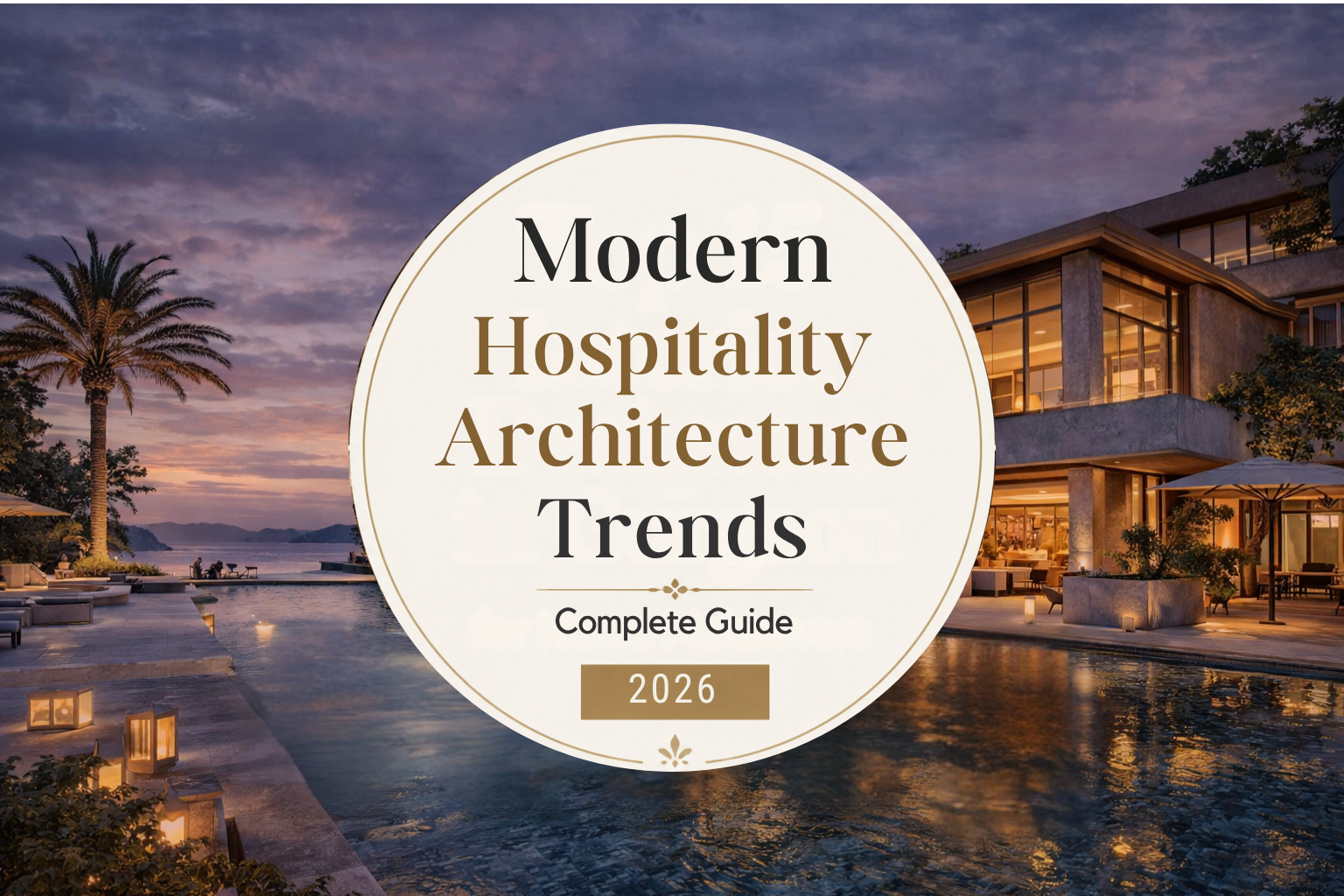
Modern Hospitality Architecture Trends in 2026
Hospitality spaces like hotels, resorts, cafes, and restaurants are no longer just places where people stay or eat. Today they are experiencing. People want comfort, beauty, convenience, and a memorable atmosphere when they visit these places. Because of this, hospitality architecture is changing very fast.
In 2026, architecture for hospitality projects is focusing more on guest experience, sustainability, and smart design. Architects are now designing spaces that feel welcoming, functional, and visually attractive at the same time. In India and across the world, many new ideas are shaping how hospitality buildings are designed.
Architecture studios like Studio Rivet work on hospitality projects that combine creativity, modern design, and practical planning. From cafes and restaurants to hotels and resorts, thoughtful architecture plays a big role in creating a space where people enjoy spending time.
In this article, we will explore the major hospitality architecture trends that are shaping the industry in 2026.
1. Experience-Driven Hospitality Design
In the past, hotels and restaurants focused mainly on function. Today, the focus is on experience. When people visit a hospitality space, they want something unique and memorable.
Architects now design spaces that make guests feel comfortable and emotionally connected to the place. This can include beautiful entrances, open lobbies, relaxing seating areas, and interesting architectural elements.
For example, cafes today are designed not just for coffee but also for social interaction. Restaurants are planned so that guests enjoy both the food and the atmosphere.
Hospitality architecture now focuses on:
- Creating welcoming entrances
- Comfortable seating areas
- Natural lighting and open spaces
- Unique architectural features
The goal is to make guests feel relaxed and enjoy the environment.
2. Sustainable and Eco-Friendly Architecture
Sustainability has become one of the biggest trends in hospitality architecture. Hotels and resorts consume a lot of energy and resources, so architects are now designing buildings that reduce environmental impact.
Sustainable design not only helps the environment but also reduces long-term operating costs.
Some common sustainable architecture ideas include:
- Natural ventilation and lighting
- Energy-efficient materials
- Green roofs and gardens
- Water conservation systems
- Use of local materials
Many modern hospitality projects also integrate landscape design to create harmony between architecture and nature.
Eco-friendly hospitality buildings are becoming popular because guests appreciate environmentally responsible spaces.
3. Indoor-Outdoor Living Spaces
Another important trend in hospitality architecture is blending indoor and outdoor spaces. Guests enjoy spaces that feel open and connected to nature.
Hotels and resorts now include:
- Outdoor lounges
- Poolside seating areas
- Terrace restaurants
- Open courtyards
- Landscape gardens
These spaces allow guests to relax while enjoying natural surroundings.
In tropical locations like India, outdoor hospitality spaces are especially popular because they create a refreshing environment for visitors.
4. Modern Minimalist Architecture
Modern hospitality design is moving towards simplicity. Clean lines, natural materials, and minimal decoration are becoming common in hotels and restaurants.
Minimalist architecture creates spaces that feel calm, elegant, and timeless. Instead of too many design elements, architects focus on quality materials and thoughtful details.
Typical features of minimalist hospitality architecture include:
- Neutral color palettes
- Large glass windows
- Natural materials like wood and stone
- Simple furniture design
- Clean architectural forms
This approach makes spaces feel modern and sophisticated without being overwhelming.
5. Flexible Multi-Purpose Spaces
Hospitality spaces today need to serve multiple purposes. For example, hotel lobbies are no longer just reception areas. They are now social spaces where guests can work, relax, or meet people.
Architects are designing flexible spaces that can be used in different ways.
Examples include:
- Lobby lounges that work as cafes
- Restaurants that convert into event spaces
- Outdoor terraces for dining and social gatherings
- Multi-functional banquet halls
Flexible spaces allow hospitality businesses to use their property more efficiently while providing better experiences for guests.
6. Technology Integration in Hospitality Architecture
Technology is also changing how hospitality buildings are designed. Smart technology improves convenience for both guests and staff.
Modern hotels often include:
- Smart lighting systems
- Digital check-in and check-out
- Automated climate control
- Smart room technology
- Energy monitoring systems
Architects must plan these technologies from the beginning of the design process.
Technology integration makes hospitality spaces more efficient and comfortable.
7. Strong Brand Identity Through Architecture
Architecture plays a major role in defining the identity of a hospitality brand. When guests visit a hotel, cafe, or restaurant, the design should reflect the brand’s personality.
For example:
- Luxury hotels focus on elegance and sophistication
- Boutique hotels emphasize unique design concepts
- Cafes often use creative and social interiors
- Resorts highlight relaxation and natural surroundings
Architects work closely with clients to design spaces that match their brand story.
Projects like 7 Degree Brauhaus and Cafe Shunya demonstrate how hospitality spaces can create a strong identity through architecture and interior design.
8. Focus on Guest Comfort and Well-Being
Guest comfort is always the top priority in hospitality design. Today, architects pay close attention to details that improve well-being.
Important elements include:
- Comfortable room layouts
- Good natural light
- Noise control
- Relaxing interior design
- Proper ventilation
Wellness design is also becoming popular in resorts and hotels. Many hospitality spaces now include spa areas, wellness centers, and meditation zones.
This focus on well-being helps create a peaceful environment for guests.
9. Use of Natural Materials
Natural materials are becoming a key part of modern hospitality architecture. Materials like wood, stone, brick, and concrete create warm and authentic environments.
These materials also connect the building with its surroundings.
For example:
- Wooden ceilings create warmth
- Stone walls add texture
- Brick facades provide character
- Concrete structures create modern aesthetics
Architects combine these materials with modern design to create timeless spaces.
10. Local Culture and Context
Hospitality architecture in 2026 is also focusing on local culture and context. Guests enjoy spaces that reflect the character of the location they are visiting.
Architects often incorporate local materials, patterns, and design traditions.
In India, hospitality projects may include:
- Local stone or brick construction
- Traditional courtyard layouts
- Cultural design elements
- Regional landscape design
This approach makes hospitality spaces feel authentic and meaningful.
The Role of Architects in Modern Hospitality Projects
Hospitality architecture requires a deep understanding of both design and functionality. Architects must consider many factors, including guest experience, circulation, service operations, and aesthetics.
Studios like Studio Rivet focus on creating hospitality spaces that balance creativity with practical planning.
Every hospitality project involves several stages, such as:
- Concept development
- Architectural planning
- Interior design integration
- Material selection
- Project execution
A well-designed hospitality space requires careful collaboration between architects, designers, engineers, and clients.
The Future of Hospitality Architecture
The hospitality industry will continue evolving in the coming years. Future architecture will focus even more on sustainability, technology, and human-centered design.
Hotels, restaurants, and resorts will become more than just buildings. They will become destinations that offer memorable experiences.
Guests will expect spaces that are:
- Comfortable
- Environmentally responsible
- Visually inspiring
- Functional and efficient
Architects will play an important role in shaping these experiences through thoughtful design.
Conclusion
Hospitality architecture in 2026 is focused on creating spaces that are meaningful, sustainable, and guest-friendly. Modern hospitality buildings are designed to provide experiences rather than just services.
From eco-friendly architecture to flexible social spaces, the industry is moving toward more thoughtful and innovative design solutions.
As hospitality businesses continue to grow in India and around the world, architecture will remain a key factor in defining how guests experience hotels, cafes, restaurants, and resorts.
By combining creativity, functionality, and modern design thinking, studios like Studio Rivet help create hospitality spaces that leave a lasting impression on visitors.
Frequently Asked Questions
What is hospitality architecture?
Why is architecture important in hospitality design?
What are the latest hospitality architecture trends in 2026?
How do architects improve guest experience in hotels and resorts?
What makes a good hospitality architecture project?
How does sustainability affect hospitality architecture?
Our Recent Blogs


Staircase Design Ideas for Indian Homes (2026)
In a duplex home or a villa, the staircase is rarely just a way to get from one floor to another. It

False ceiling design ideas for indian living rooms 2026
The false ceiling design for living room is no longer a luxury reserved for premium homes. In 2026,
9 Budget-Friendly Interior Design Hacks for Your 3 BHK Home
Designing a 3 BHK home is an exciting opportunity to create a space that reflects your personality,
Leave a Reply